


Flexible Work Arrangements (FWA) in Singapore: A Win-Win for Employees and Employers
Author
Flexible Work Arrangements (FWA) in Singapore:
A Win-Win for Employees and Employers
In recent years, Singapore has made significant strides in embracing flexible work arrangements (FWAs) to foster a more productive, engaged, and satisfied workforce. This forward-thinking approach not only benefits employees but also brings substantial advantages to employers.
For employees, FWAs offer a multitude of benefits
- Improved Work-Life Balance: FWAs allow employees to better manage their personal and professional commitments, leading to reduced stress and increased job satisfaction.
- Enhanced Productivity: When employees have the flexibility to work in ways that suit their individual needs, they tend to be more productive and focused.
- Greater Job Satisfaction: FWAs empower employees to take ownership of their work schedules, boosting morale and overall job satisfaction.
- Better Mental Health: Flexible working arrangements contribute to improved mental well-being by reducing work-related stress and burnout.
- Increased Retention: Offering FWAs can significantly improve employee retention rates, as it demonstrates a commitment to employee well-being and satisfaction.
Employers also reap significant benefits from implementing FWAs
- Increased Productivity: Studies have shown that flexible work arrangements can lead to increased productivity and efficiency.
- Improved Employee Morale: FWAs foster a positive work environment, leading to higher employee morale and engagement.
- Enhanced Talent Acquisition: Offering FWAs can attract top talent, especially in today's competitive job market where work-life balance is a top priority.
- Reduced Operational Costs: FWAs can lead to reduced operational costs, such as office space, utilities, and commuting expenses.
- Greater Business Resilience: Flexible work arrangements can help businesses maintain continuity during disruptions or emergencies.
As Singapore continues to embrace FWAs, it is essential for both employees and employers to understand the mutual benefits they offer. By fostering a culture of flexibility and trust, organizations can create a more productive, engaged, and satisfied workforce, ultimately driving business success.
Related Articles

Business
Emotional Appeals in Recruiting: Harnessing the Power of Emotion—And Knowing Its Limits
22/01/2025 05:09 PM - In the world of recruitment, connecting with candidates goes far beyond listing job requirements and company benefits. Emotions play a pivotal role in influencing decisions, whether it’s about changing career paths or choosing an employer. Leveraging emotional appeals can be a game-changer in recruitment strategies, but it’s equally important to recognize when they might cross ethical or practical boundaries.
Business
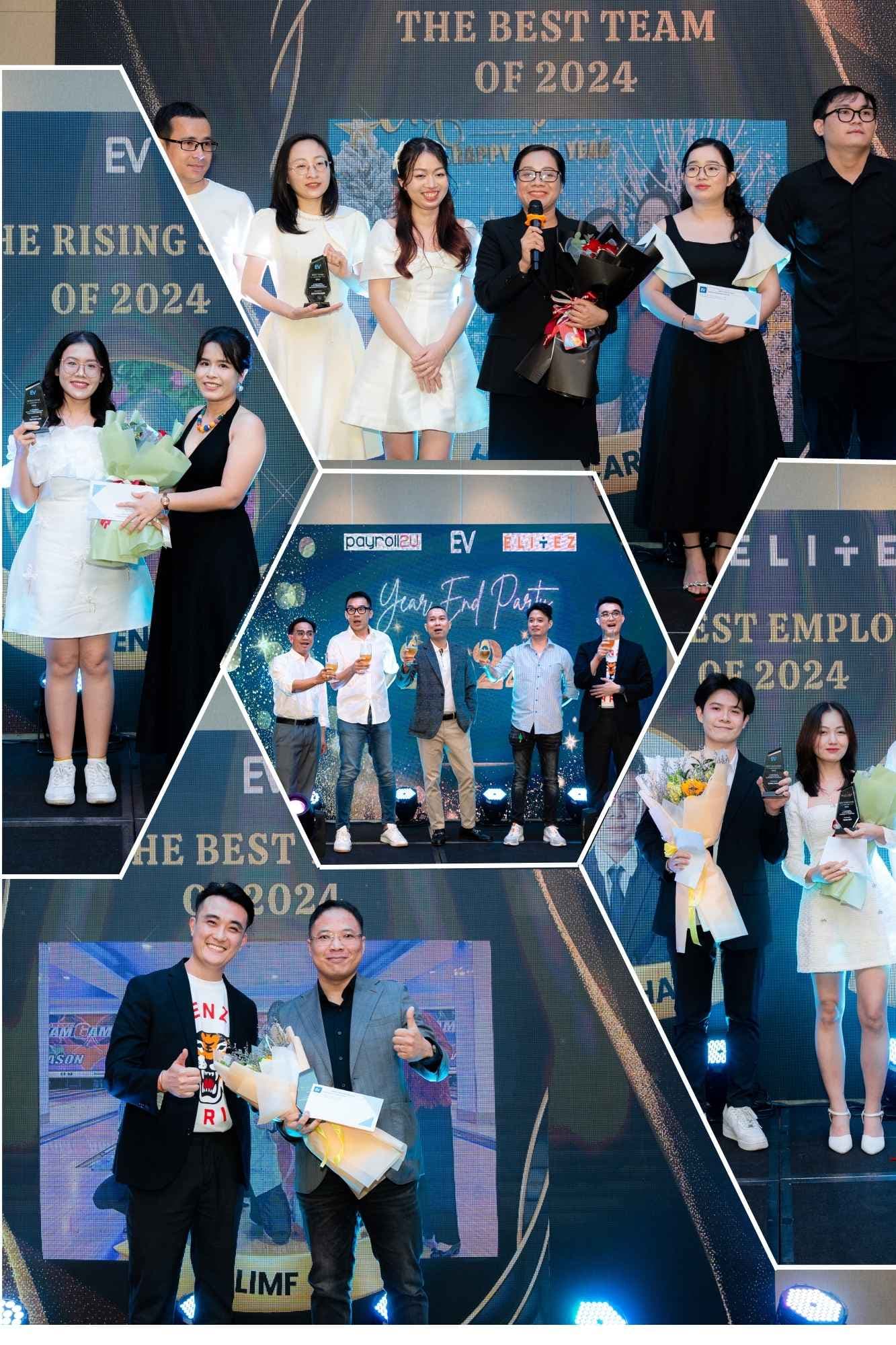
A Night to Remember: EV Search HCM’s Year-End Party 2024
08/01/2025 09:41 PM - This celebration was not just about awards and festivities—it was a reflection of our hard work, collaboration, and the vibrant culture that makes EV Search truly special.
Business
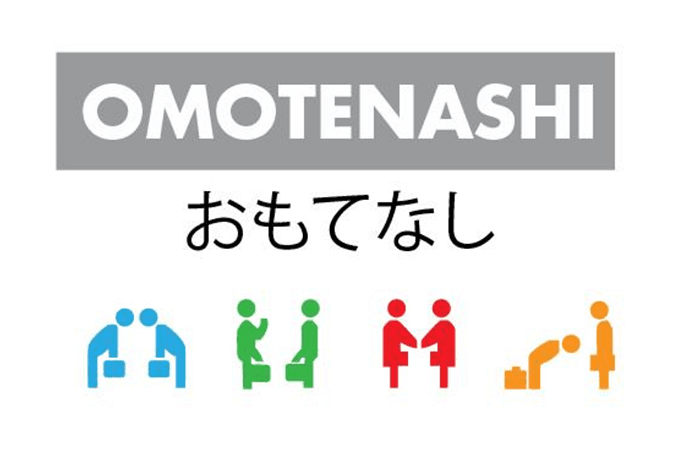
Bringing Omotenashi to Headhunting: A New Standard of Excellence
07/01/2025 06:44 PM - In the fast-paced world of headhunting, where competition is fierce and relationships are everything, adopting the spirit of Omotenashi—the Japanese concept of selfless hospitality—can truly set recruiters apart.
