


Growing In-Demand Skillsets for 2025: What You Need to Stay Ahead
Author
1. Technical Skills: Artificial Intelligence, Machine Learning, and Data Analytics
- Artificial Intelligence (AI) and Machine Learning (ML): AI and ML are expanding across sectors like healthcare, logistics, and customer service. For example, AI-based diagnostic tools in healthcare are expected to grow by 45% annually (MarketsandMarkets), supporting faster and more accurate patient care. Additionally, Google and Amazon use ML algorithms extensively to improve product recommendations and logistics, which has driven significant revenue growth. With the AI market projected to hit $190 billion by 2025, roles in AI and ML, including deep learning and NLP, are essential to keep up with industry needs.
- Data Analytics: Data remains central to strategic decision-making across industries. According to LinkedIn’s 2023 Jobs on the Rise report, roles in data science and data analytics have surged by 35% over the past two years. Companies like Netflix rely on data analytics to optimize their recommendation engines, which increases user engagement and retention. Professionals skilled in data visualization and data storytelling are increasingly sought after, making data analytics a critical competency for the future workforce.
2. Soft Skills: Emotional Intelligence and Adaptability
- Emotional Intelligence (EQ): Emotional intelligence continues to be a defining trait of effective leadership, especially as remote and hybrid work become more common. The Capgemini Research Institute found that 76% of executives consider EQ critical for leadership roles as it supports better collaboration and conflict resolution. Managers who excel in empathy, self-regulation, and team motivation foster a culture of trust and productivity, enhancing team performance and job satisfaction. Studies show that companies with leaders high in EQ see 20% lower turnover rates (Harvard Business Review), underscoring its value.
- Adaptability and Resilience: Flexibility has become essential in a world where market demands change quickly. PwC’s Future of Work Survey reports that 80% of CEOs consider adaptability crucial to managing uncertainty. During the pandemic, businesses with resilient teams adapted more smoothly to remote operations, while organizations lacking adaptability struggled to retain talent. Employers now seek candidates who are not only skilled in their roles but also able to navigate change with optimism and a problem-solving attitude.
3. Digital Literacy and Advanced Problem-Solving
- Digital Literacy: With remote work here to stay, digital literacy has become foundational across industries. Familiarity with digital platforms like Microsoft Teams, Google Workspace, and cybersecurity protocols is essential. According to McKinsey’s Digital Workforce Trends Report, 80% of companies plan to adopt more digital tools by 2025, highlighting the growing importance of digital literacy. In sectors like finance and customer service, digital proficiency enables employees to resolve issues efficiently and improve customer satisfaction.
- Complex Problem-Solving: As automation reduces manual tasks, complex problem-solving skills are more valuable than ever. A World Economic Forum study found that problem-solving is among the top three skills required for future roles. Companies like Tesla and SpaceX actively seek employees who challenge the status quo and innovate, which drives industry advancements. Complex problem-solving, combining creativity and critical thinking, is essential in roles involving cross-functional collaboration and innovation.
4. Cybersecurity Awareness
- With digital transformation accelerating, cybersecurity skills are now critical for all employees. Cybersecurity Ventures forecasts cybercrime costs to reach $10.5 trillion annually by 2025, making cybersecurity awareness an essential skill across departments. IBM’s research indicates that employees trained in basic cybersecurity practices reduce organizational risk by up to 40%. Cybersecurity awareness training is becoming widespread across sectors, as companies aim to safeguard data and secure remote work environments against rising cyber threats.
Preparing for a Future-Proof Career
Combining technical skills with adaptability, emotional intelligence, and problem-solving abilities offers a robust foundation for a resilient career. These skills are invaluable to companies navigating dynamic markets and shifting workforce demands.
Stay Connected with EV Search
At EV Search, we’re dedicated to helping professionals stay ahead of industry trends. Follow us for the latest insights, career development resources, and job opportunities designed to prepare you for the future of work.
Related Articles

Business
How To Understand Your Customers And Their Needs With The Right Data
07/02/2022 10:55 PM - Today, data is undoubtedly a leading driver of business success. How well a company is able to leverage insights from the ever-increasing wealth and complexity of available data is, increasingly, a differentiator between market leaders and also-rans.
Business
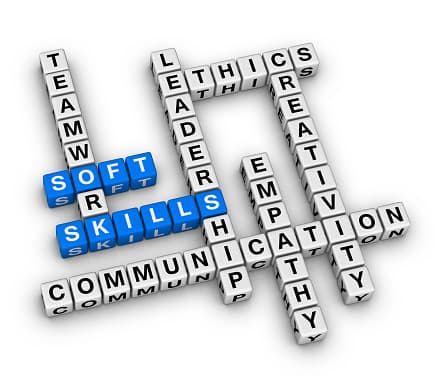
7 soft skills you need at work
21/01/2022 10:43 PM - Soft skills are those non-technical abilities that allow us to interact with other people effectively. These include communication, leadership, teamwork, problem-solving, conflict resolution, emotional intelligence, etc. This article will define what soft skills are, what soft skills to put on a resume, and explore the benefits of this skill set at organizational and individual levels. Lastly, we will cover a list of soft skills not many people consider when looking for a job or expanding their career opportunities.

Business
The rise of digital bosses: They can hire you — and fire you
18/01/2022 11:06 PM - Automated software programs that help hire employees and monitor their work are becoming more popular as companies grapple with how to manage a disparate, remote workforce.
